RF Microneedling
Radio-frequency micro-needling delivers radiofrequency energy through fine needles into the dermis, producing a stronger collagen response than needling alone. We use the Secret RF device and perform 300 to 450 treatments a year. Most patients need one to three sessions. Fees start at $450 for a small area, and there is no meaningful downtime beyond a day or two of redness. It treats acne scarring, texture, pore size and mild laxity — but it is not a substitute for laser resurfacing or a facelift, and we will tell you when one of those is the better answer.
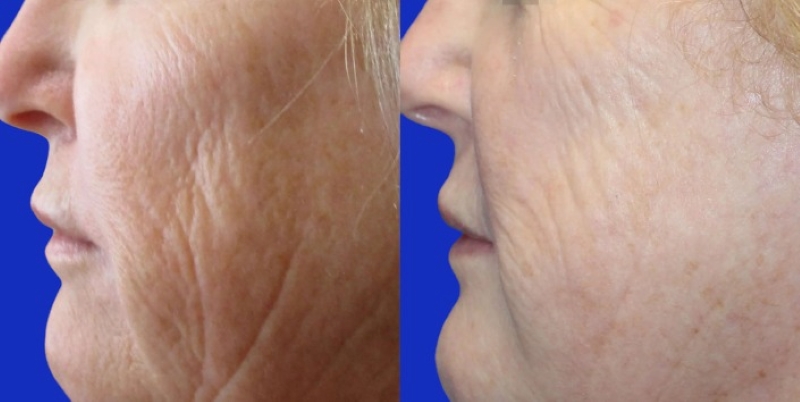
What is radio-frequency micro-needling?
Standard micro-needling creates thousands of controlled micro-injuries in the skin with fine needles. The body repairs those channels by laying down new collagen, which improves texture, scarring and pore size over the following months.
Radio-frequency micro-needling adds a second mechanism. As the needles reach their target depth, they emit radiofrequency energy, generating controlled heat in the dermis around each needle tip. Heat is a considerably stronger stimulus for collagen remodelling than mechanical injury alone, and it also produces a modest tightening effect that needling by itself does not.
The device we use, and why it matters
We use the Secret RF micro-needling system. The differences between devices in this category are real and worth understanding:
- Copper needles with gold plating. The combination conducts energy efficiently and delivers a controlled, predictable release of heat at depth.
- Thinner needles than steel-needle devices. A finer needle penetrates with less drag and less surface trauma, which means less discomfort and faster recovery.
- Two tip configurations. A 25-pin tip for the face, where precision matters, and a 64-pin tip for the body and larger surface areas, where coverage matters.
Other systems in this category include Morpheus8, Vivace, Genius, Potenza, Profound, EndyMed and Fractora. They share the same core mechanism — needles delivering radiofrequency beneath the skin — and differ in needle material, needle gauge, depth control and how energy is delivered.
RF micro-needling or standard micro-needling?
Both are legitimate. The question is how much stimulus your skin needs and what you are prepared to pay for it.
| Standard micro-needling | RF micro-needling | |
|---|---|---|
| Mechanism | Mechanical micro-injury only | Micro-injury plus radiofrequency heat |
| Collagen response | Moderate | Stronger, deeper |
| Tightening effect | Minimal | Mild but real |
| Best for | Texture, pore size, superficial scarring, maintenance | Acne scarring, deeper texture change, early laxity |
| Sessions | Usually a series | 1 to 3 for most patients |
| Fee, small area | $350 | $450 |
In short: RF micro-needling is more potent, so results come faster and with fewer sessions. If your concerns are mild and you are treating maintenance, standard micro-needling remains a reasonable and less expensive option.
What does it cost?
| Treatment area | Single session | Package of 3 | Package of 6 |
|---|---|---|---|
| Small | $450 | $1,215 | $3,105 |
| Medium | $675 | $1,822.50 | $3,442.50 |
| Large | $900 | $2,430 | $4,590 |
| XLarge | $1,125 | $3,037.50 | $5,737.50 |
Listed on our fee schedule as Radio-Frequency Micro-Needling. See the full pricing and purchasing terms. Packages expire three years from date of purchase.
Who is a good candidate?
- Acne scarring, particularly rolling and boxcar scars
- Enlarged pores and uneven skin texture
- Early skin laxity or crepiness, on the face or body
- Surgical scars and stretch marks
- Any skin type. Radiofrequency energy is not absorbed by melanin, so unlike many lasers this treatment carries no added pigment risk in darker skin — a significant advantage for Fitzpatrick types IV to VI
Who is not a good candidate?
- Deep ice-pick scarring. These respond better to laser resurfacing, subcision, or a combined approach.
- Significant sun damage and deeper lines. Ablative resurfacing achieves considerably more in one treatment.
- Real sagging. The tightening from RF micro-needling is mild. Descended tissue needs a deep plane facelift or neck lift.
- Volume loss. Hollowing needs filler, Sculptra or fat grafting.
- Current or recent isotretinoin (Accutane), active infection or cold sore outbreak in the area, or a history of keloid scarring.
- An implanted electrical device such as a pacemaker, since radiofrequency is used.
What is the treatment like?
Topical anaesthetic is applied for approximately 30 minutes beforehand. The handpiece is then passed over the treatment area, with needle depth and energy adjusted to the region being treated. A facial treatment typically takes 30 to 45 minutes once numbing is complete.
Most patients describe pressure and warmth rather than sharp pain. The added heat means RF micro-needling is felt somewhat more than standard needling.
Recovery
| Time after treatment | What to expect |
|---|---|
| First 24 hours | Redness resembling a moderate sunburn, with a sensation of tightness and warmth. Mild swelling is normal. |
| Days 2–3 | Redness fades substantially. Skin may feel rough or sandpapery as it repairs. |
| Days 3–5 | Most patients are back to normal appearance. Makeup can generally be worn after 24 hours. |
| Weeks 4–12 | Collagen remodelling produces the visible improvement. This is when the result appears. |
| 3–6 months | Continued refinement. Final result assessed here. |
Sun protection is important throughout, and strenuous exercise, saunas and hot tubs should be avoided for 48 hours.
Frequently asked questions
How many sessions will I need?
One to three for most patients, spaced four to six weeks apart. Extensive acne scarring may need more. Packages of three and six are available for those treating a larger area or committing to a course.
When will I see results?
Not immediately. Skin often looks better within a week from the initial swelling response, but genuine collagen-driven change appears from four weeks and continues building for three to six months.
Is it safe for darker skin?
Yes. This is one of the main advantages of radiofrequency over light-based treatments. Because the energy is not absorbed by pigment, the risk of burns and post-inflammatory hyperpigmentation is substantially lower than with lasers.
Does it hurt?
Topical numbing makes it well tolerated. Patients describe pressure and heat. It is felt more than standard micro-needling because of the radiofrequency energy.
How is this different from Thermage?
Thermage delivers radiofrequency from the skin surface without needles and is aimed at laxity. RF micro-needling delivers energy directly into the dermis through needles and does more for texture and scarring. They address different problems.
Can it be combined with other treatments?
Yes. It is commonly combined with neuromodulators and fillers, which treat movement and volume rather than skin quality. Timing within a visit is planned by your provider.
Will it help stretch marks?
It can improve their texture and appearance, particularly newer ones. Mature white stretch marks are more resistant, and no treatment eliminates them entirely.
Can it be used on the body?
Yes. The 64-pin tip is designed for larger surface areas, and body treatments are priced by area size.
Next steps
A consultation establishes whether RF micro-needling is the right level of treatment for your skin, or whether standard needling would suffice, or resurfacing would serve you better.
Schedule a consultation or ask us a question.
Medically reviewed by Sam Naficy, MD, FACS, board-certified facial plastic surgeon and medical director, Naficy Plastic Surgery & Rejuvenation Center, Bellevue, Washington.