Fat Injections - Face
Facial fat grafting restores volume that has been lost with age, using the patient's own fat rather than a synthetic filler. Fat is harvested, processed, and injected into the temples, cheeks, tear troughs, and other deficient areas. Roughly 40 to 50 percent of the grafted fat survives permanently. Sam Naficy, MD, FACS performs 100 to 120 fat grafting procedures each year in Bellevue, Washington, and published a peer-reviewed study of outcomes in 70 of his own patients.
What is facial fat grafting?
Fat grafting — also called fat transfer, fat injection, or lipofilling — moves fat from one part of the body to the face. Fat is taken by gentle liposuction, usually from the abdomen or thigh, processed to separate viable fat cells, and injected in small aliquots through a fine cannula.
Because it is your own living tissue, the fat that survives becomes a permanent part of the face. It develops its own blood supply and behaves like the tissue around it.
Why the face loses volume
For decades facial ageing was understood as an excess of skin. It is now recognised that the apparent excess is largely the consequence of what has been lost beneath it — fat, collagen, muscle, and bone all diminish with age.
The temples hollow. The upper cheeks flatten. A groove forms beneath the eye where the cheek used to support it. The skin that once covered a fuller structure now has more surface area than the framework requires, which reads as looseness.
This is why lifting alone can produce a result that is tighter but gaunt. Repositioning tissue does not replace what is gone. Restoring volume alongside a lift addresses both.
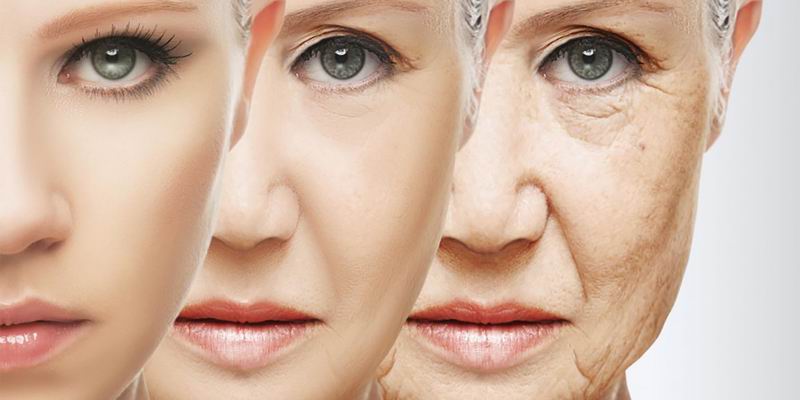
Facial volume loss with aging
Macro, micro, and nano fat grafting
The terms refer to how finely the fat is processed, which determines where it can be placed and what it does.
| Type | Particle size | Used for | Depth of placement |
|---|---|---|---|
| Macro fat grafting | Largest | Large-volume transfer — buttocks, breast augmentation with fat | Deep |
| Micro fat grafting | Smaller | Facial volume restoration — temples, cheeks, tear troughs, jawline | Deep to mid-level |
| Nano fat grafting | Finest, emulsified | Skin quality rather than volume — fine lines, texture, thin delicate skin | Superficial |
Facial work uses micro fat grafting for volume and nano fat where the aim is skin quality rather than contour. The distinction matters: nano fat contains very little intact fat and does not add meaningful volume.
Published outcomes from our own patients
Most practices describing fat grafting cite the general literature. We can point to a peer-reviewed study of our own patients.
Dr. Naficy co-authored a retrospective review of 70 consecutive patients treated with autologous periorbital fat injection to the malar area and lower eyelid tear trough — all operated on by a single surgeon. Before and after photographs were standardised, randomised, and measured independently by two masked investigators.
- Mean 0.5 mm improvement in marginal reflex distance 2 in both eyes — a measured change in lower eyelid position
- Mean 0.5 mm reduction in inferior scleral show — less white visible below the iris
- The effect was not diminished at longer follow-up, with a mean secondary follow-up of 316 days
- Minor complications in 7%, all subcutaneous induration
The study concluded that autologous fat injection is well tolerated and has potential as an effective adjuvant or primary treatment for mild lower eyelid retraction.
That last finding is clinically useful beyond cosmetic volume restoration. Lower eyelid retraction — the lid sitting low and exposing white below the iris — is one of the harder problems in eyelid surgery, and this data supports fat injection as a treatment for mild cases rather than only as a filler.
Le TP, Peckinpaugh J, Naficy S, Amadi AJ. Effect of autologous fat injection on lower eyelid position. Ophthalmic Plast Reconstr Surg. 2014;30(6):504–7. PMID 24814272
How much of the grafted fat survives?
Typically 40 to 50 percent. The remainder is reabsorbed over the first few months as the graft establishes a blood supply.
This is why fat is deliberately over-corrected at the time of surgery — the face looks slightly full initially, and settles to its intended volume as the non-surviving portion resorbs. Judging that over-correction is a significant part of the skill in the procedure.
The fat that does survive develops its own blood supply and is permanent. It behaves like the tissue around it, which is why it ages naturally rather than needing replacement on a schedule. Survival is better in areas with limited movement — the cheeks and temples — and lower in mobile areas such as around the mouth.
Will I need a second session?
Most patients are satisfied with the result of a single procedure. Where a second session is wanted, it is usually to add further volume rather than to correct a problem.
One thing that materially affects your result: weight stability. Grafted fat cells behave like the fat they came from. Losing significant weight after fat grafting shrinks them and diminishes the result. Staying at a stable weight — or even gaining a few pounds after the procedure — preserves it. Patients planning significant weight loss should complete it before fat grafting rather than after.
What can facial fat grafting achieve?
- Temples — filling hollows that make the upper face look drawn
- Upper cheeks — restoring the platform that supports the lower eyelid
- Tear troughs — softening the groove and shadow beneath the eye
- Nasolabial folds and marionette lines — softening rather than erasing
- Jawline and chin — restoring definition lost with bone and fat resorption
- Lips — subtle volume with the patient's own tissue
- Skin quality, using nano fat where texture rather than volume is the concern
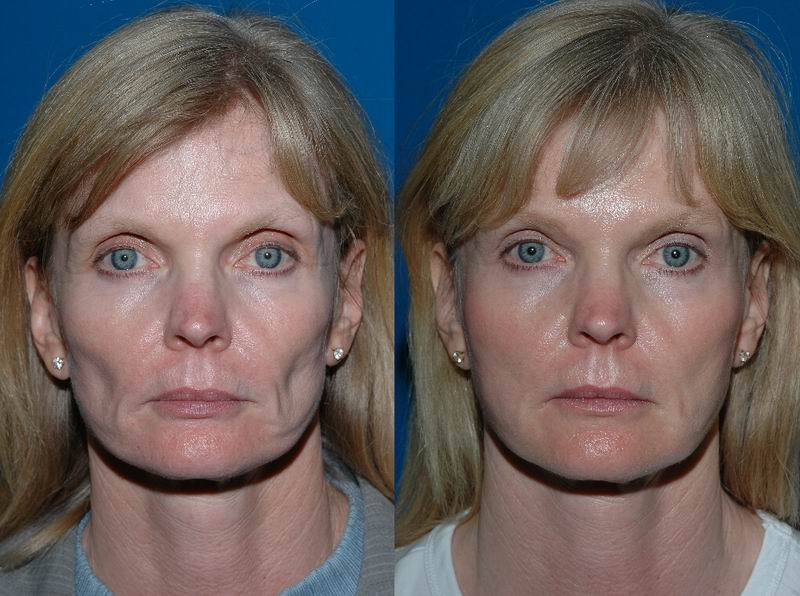
Longevity of facial fat grafting is evident 5 years following facial fat grafting using the FAMI technique by Sam Naficy, MD. * Individual results may vary.
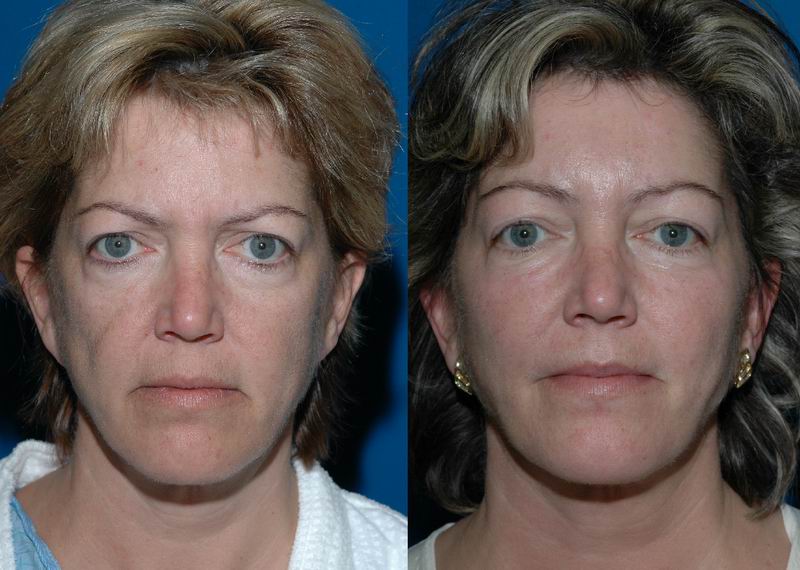
Facial fat grafting by Seattle plastic surgeon Sam Naficy, MD. * Individual results may vary.
Who is a good candidate for fat grafting?
- Facial hollowing in the temples, cheeks, or under the eyes
- A drawn or gaunt appearance that a lift alone would not correct
- Enough donor fat to harvest — very lean patients may have limited supply
- Stable weight, with no significant loss planned
- Good general health and realistic expectations, including understanding that some resorption is expected
Who is not a good candidate?
- You are planning significant weight loss. Complete it first; grafted fat shrinks along with the rest.
- Your concern is loose skin rather than lost volume. Volume helps, but a facelift addresses descent.
- Very little donor fat is available to harvest.
- You use nicotine in any form. Nicotine constricts the small vessels the graft depends on to survive, and materially reduces take. Complete cessation is required for at least three weeks before and after.
- Uncontrolled hypertension, poorly controlled diabetes, or a bleeding disorder.
How is fat grafting performed?
Facial fat grafting takes approximately 30 minutes to an hour on its own, and is performed under IV sedation or general anesthesia. Added to another procedure it takes considerably less additional time.
- Harvest. Fat is taken by gentle liposuction through a small incision, usually from the abdomen or thigh.
- Processing. The fat is processed to separate viable fat cells from fluid and oil.
- Injection. Fat is placed in small aliquots through a fine cannula, in multiple passes and at several depths, so each parcel sits close to a blood supply. This technique matters — large boluses do not survive.
- Over-correction. Slightly more is placed than the target volume, to account for expected resorption.
What is fat grafting recovery like?
Pain is minimal — acetaminophen is usually sufficient, both at the face and at the donor site. Swelling, rather than discomfort, determines how soon you look presentable.
| Time after surgery | What to expect |
|---|---|
| Days 1–3 | Swelling in the injected areas, peaking early, with the face looking noticeably fuller than the intended result. Mild bruising. Donor site is tender rather than painful. |
| Days 4–7 | Swelling begins to settle. Bruising fades and can be covered. |
| Weeks 2–4 | Most swelling resolved. The face still looks fuller than it will ultimately be. Light exercise resumes with clearance. |
| Months 1–3 | Resorption of the non-surviving portion occurs, and volume settles toward the final result. |
| Months 3–6 | Final volume established. What remains at this point is permanent. |
Where fat grafting is combined with eyelid surgery, laser resurfacing, or a facelift, recovery is governed by the larger procedure rather than by the grafting.
Fat grafting vs. injectable fillers
| Fat grafting | Injectable fillers | |
|---|---|---|
| Material | Your own living tissue | Hyaluronic acid or synthetic products |
| Longevity | The surviving 40–50% is permanent | Months to a couple of years; requires repeating |
| Volume in one session | Large volumes possible across multiple regions | Limited per session and by cost |
| Reaction risk | Very low — it is your own tissue | Low, but foreign material carries nodule and reaction risk |
| Setting | Operating room, sedation or general anesthesia | Office, topical numbing |
| Downtime | Days of swelling | Minimal |
| Skin quality | Nano fat can improve texture | Adds volume only |
Fillers are excellent for a first step, a modest correction, or previewing added volume. Where substantial volume is needed across several regions, fat grafting delivers more in one session, lasts indefinitely, and over several years typically costs less than repeating filler.
What procedures are combined with fat grafting?
Fat grafting is most often performed alongside another operation, because volume loss and tissue descent occur together.
With facelift: a lift repositions descended tissue but replaces nothing. Adding volume prevents the lifted-but-gaunt result, and is particularly relevant for patients who have lost facial fat on GLP-1 medications.
With eyelid surgery: restoring the upper cheek rebuilds the platform beneath the lower lid. This is the combination our published study examined.
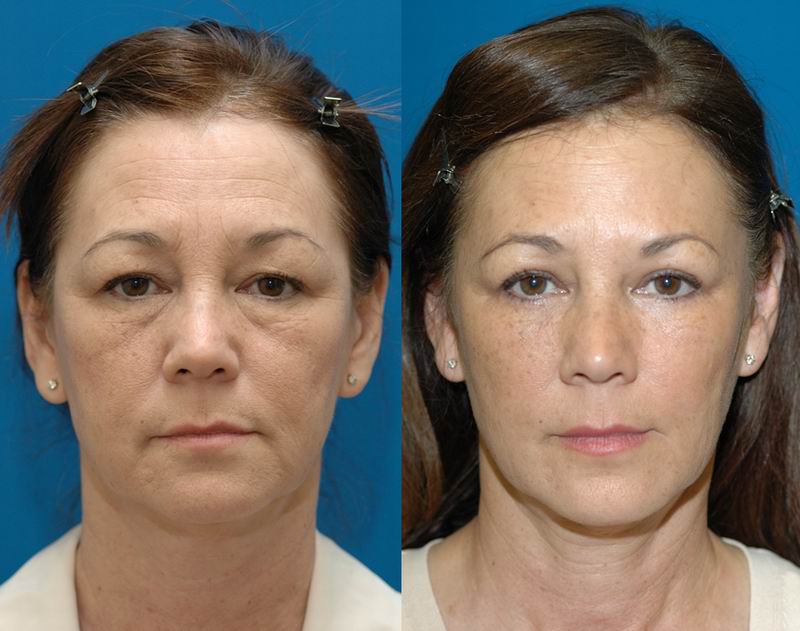
Facial fat grafting and upper and lower eyelid surgery (blepharoplasty) by Seattle plastic surgeon Sam Naficy, MD. * Individual results may vary.
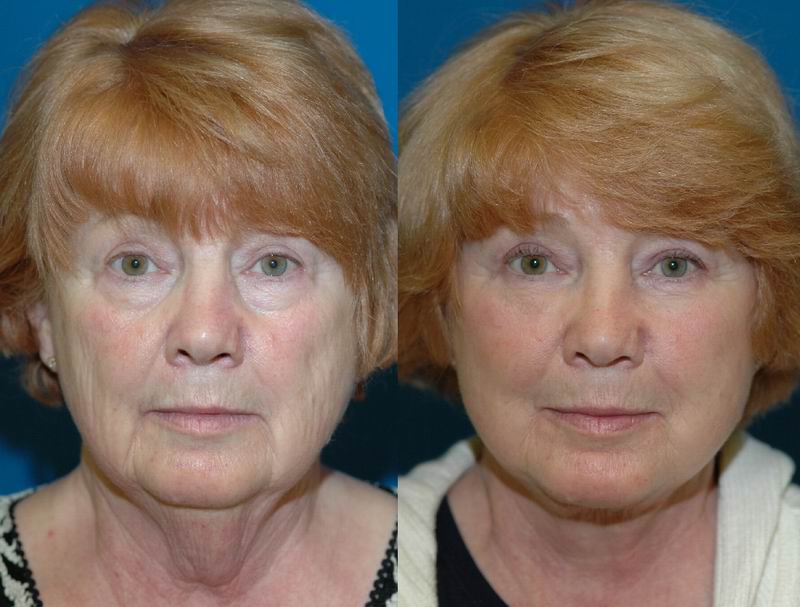
Facial fat grafting and lower eyelid surgery (blepharoplasty) by Seattle plastic surgeon Sam Naficy, MD. * Individual results may vary.
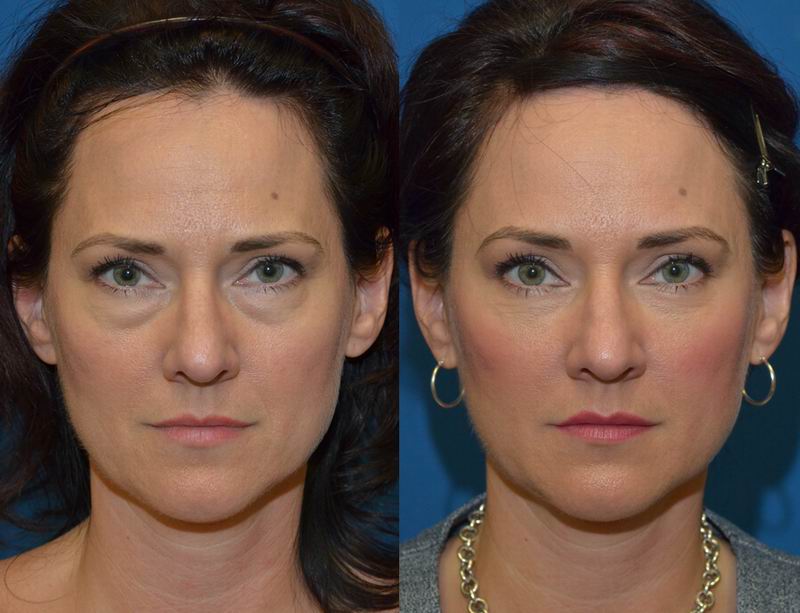
Facial fat grafting and lower eyelid surgery (blepharoplasty) by Seattle plastic surgeon Sam Naficy, MD. * Individual results may vary.
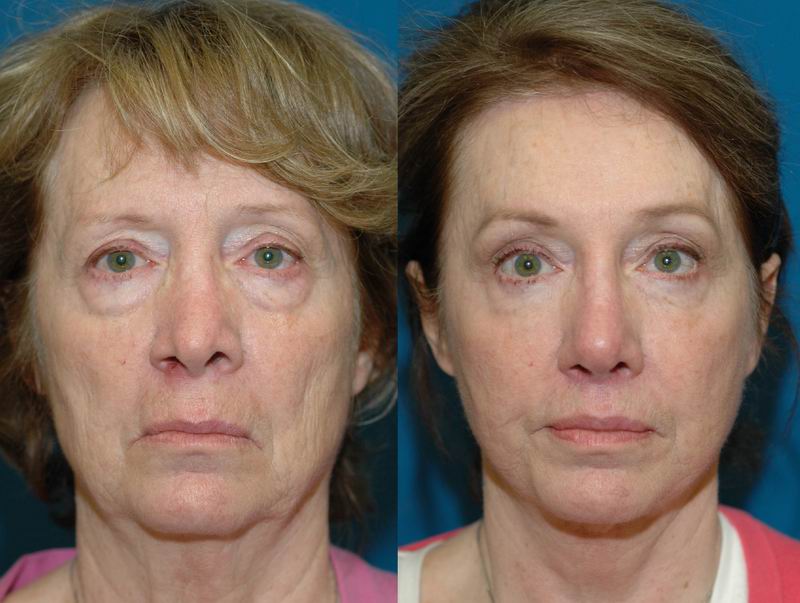
Facial fat grafting and lower eyelid surgery (blepharoplasty) by Seattle plastic surgeon Sam Naficy, MD. * Individual results may vary.
With laser resurfacing: fat restores volume, laser addresses skin texture and tone. Together they treat structure and surface.
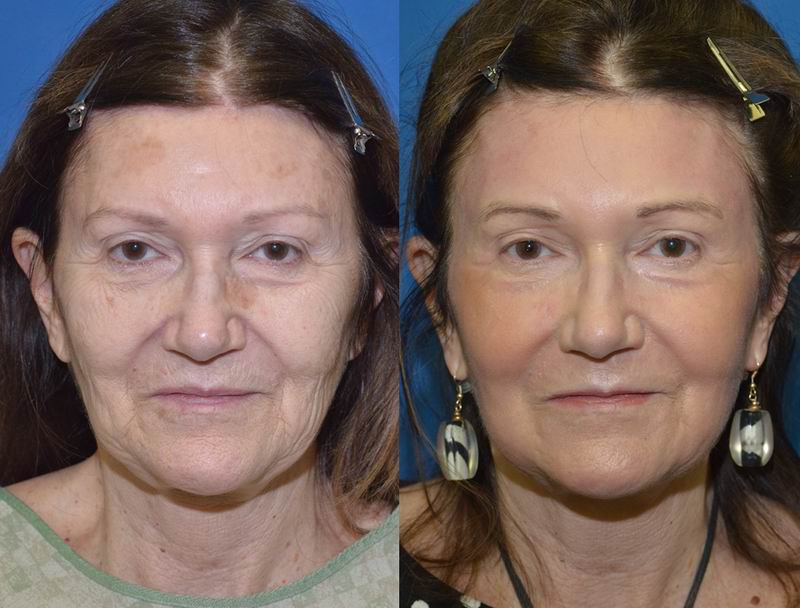
Facial fat grafting and laser resurfacing by Seattle plastic surgeon Sam Naficy, MD. * Individual results may vary.
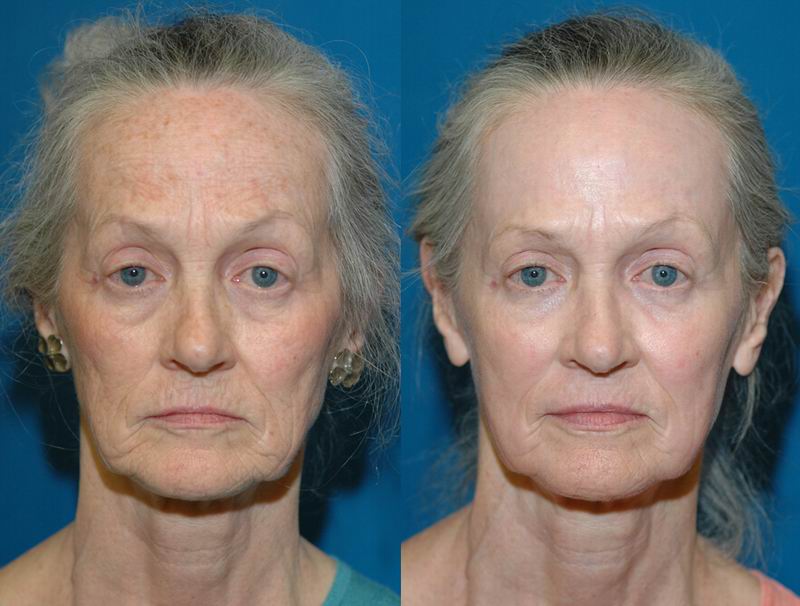
Facial fat grafting and laser resurfacing by Seattle plastic surgeon Sam Naficy, MD. * Individual results may vary.
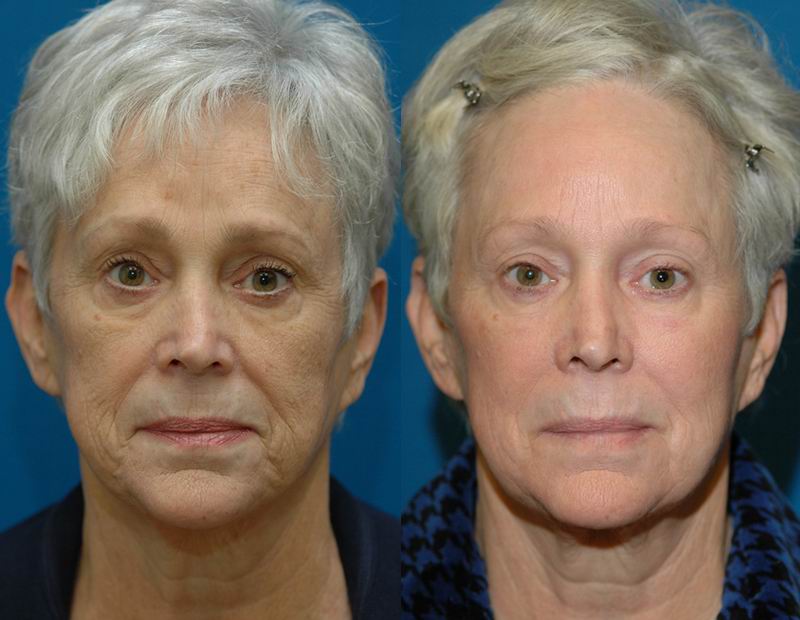
Facial fat grafting and laser resurfacing by Seattle plastic surgeon Sam Naficy, MD. * Individual results may vary.
With brow lift: volume above and beneath the brow gives the repositioned brow a fuller contour.
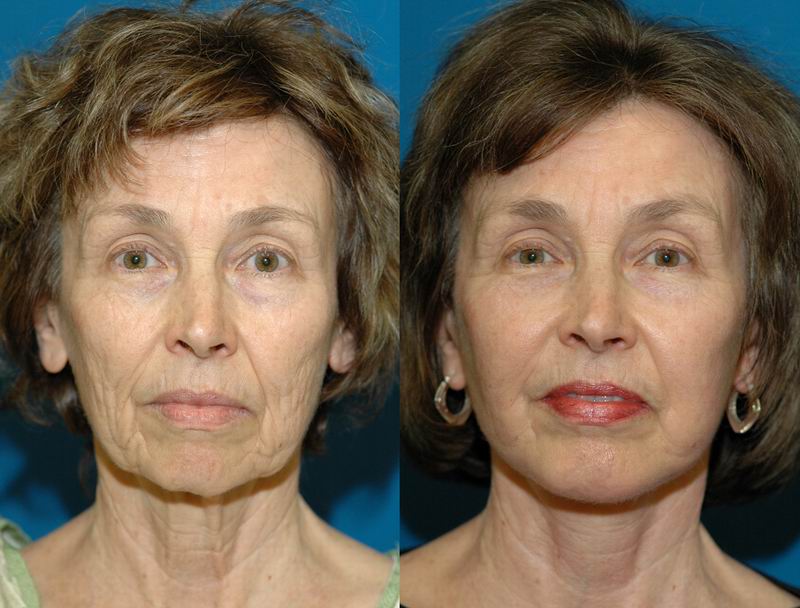
Facial fat grafting and face lift surgery by Seattle plastic surgeon Sam Naficy, MD. * Individual results may vary.
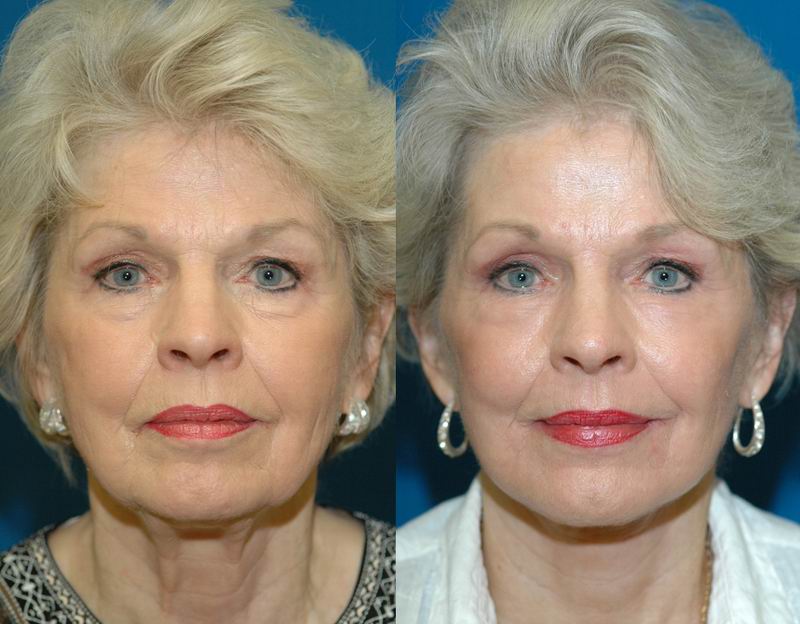
Facial fat grafting and face lift surgery by Seattle plastic surgeon Sam Naficy, MD. * Individual results may vary.
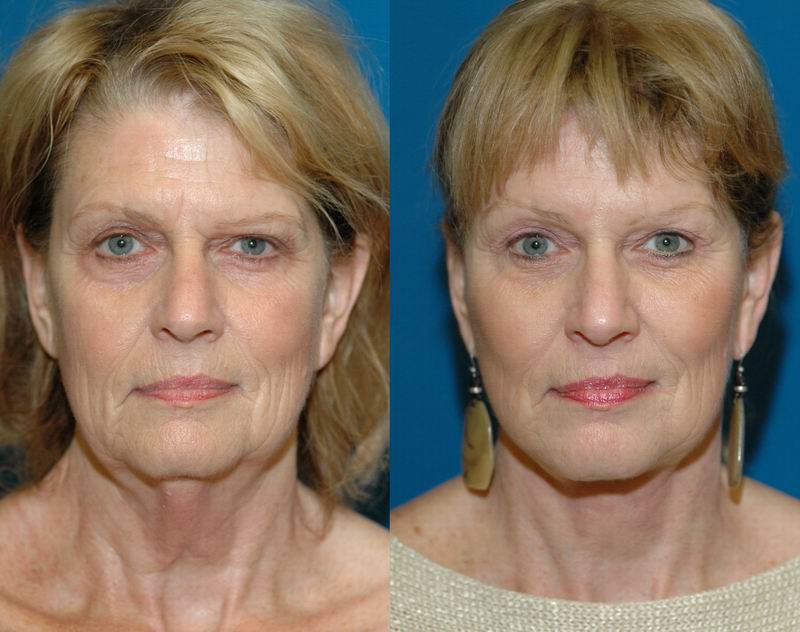
Facial fat grafting and face lift surgery by Seattle plastic surgeon Sam Naficy, MD. * Individual results may vary.
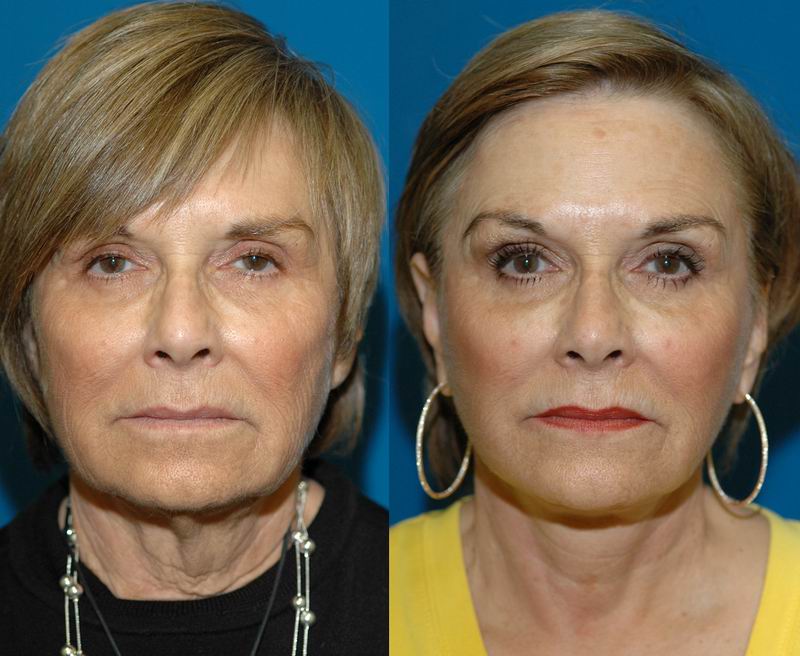
Facial fat grafting and face lift surgery by Seattle plastic surgeon Sam Naficy, MD. * Individual results may vary.
Fat grafting in men
Male facial ageing involves the same volume loss, and the aesthetic target differs. Men generally need volume restored to the temples and along the jawline rather than high on the cheek, where added fullness feminises the face. Placement is more conservative and distributed differently.
What are the risks of fat grafting?
More common, and usually temporary: swelling in the injected areas, mild bruising, tenderness at the donor site, and temporary asymmetry as swelling resolves unevenly.
Subcutaneous induration — firm areas beneath the skin. In our published series of 70 patients this occurred in 7%, and all cases were minor. It resolves with massage; rarely, a steroid injection is needed to settle it.
Less common:
- Over- or under-correction, since the proportion of fat that survives varies between patients
- Visible irregularity or lumpiness, more likely in thin-skinned areas such as the lower eyelid
- Asymmetry between the two sides as resorption differs
- Prolonged swelling in delicate areas
- Donor site irregularity at the harvest site
- Infection — uncommon
Rare: fat necrosis producing a persistent firm nodule, and cyst formation. Vascular complications from facial fat injection are very rare but are the reason placement technique and injection pressure matter.
How much does facial fat grafting cost?
At Naficy Plastic Surgery, facial fat grafting ranges from $6,500 to $15,000, depending on how many regions are grafted and whether it is performed on its own or combined with other procedures. Operating room and anesthesia fees are additional for a standalone procedure, and are shared when it is combined with another operation.
Because fat lasts indefinitely where it survives, and larger volumes can be placed in a single session, the value comparison against repeated filler over several years generally favours fat grafting.
Fees are itemized in writing at consultation. Financing is available through PatientFi. Fat grafting performed for cosmetic reasons is not covered by insurance.
Fees & payment policies · Financing
Why choose a facial plastic surgeon for fat grafting?
Fat grafting looks simple and is not. How the fat is harvested, processed, and placed determines how much survives, and where it is placed determines whether the face looks restored or merely fuller.
Dr. Naficy performs 100 to 120 fat grafting procedures each year, including those combined with eyelid surgery, laser resurfacing, and facelift. He has published peer-reviewed outcome data on his own patients — see above. His practice has been devoted exclusively to facial plastic surgery since 2000. He is certified by the American Board of Facial Plastic and Reconstructive Surgery (ABFPRS), graduated first in his class from the University of Washington School of Medicine, and completed both his residency and fellowship at the University of Michigan. Dr. Naficy has been recognized in Seattle Magazine's Top Doctors list.
About Dr. Sam Naficy, MD, FACS
What type of anesthesia is used?
Facial fat grafting is performed under IV sedation or general anesthesia, administered by a dedicated anesthesia provider. Surgery is performed in our on-site surgery center, which is Medicare-certified and Washington State–accredited. Our anesthesia team has more than 50 years of combined experience, and all providers also hold appointments at the University of Washington or other regional medical centers.
Anesthesia guidelines [21kb PDF]
Fat grafting before and after photos
Representative before and after images of facial fat grafting performed by Dr. Sam Naficy. Most patients had more than one procedure; the caption accompanying each photograph describes the details. View the full fat injection gallery.
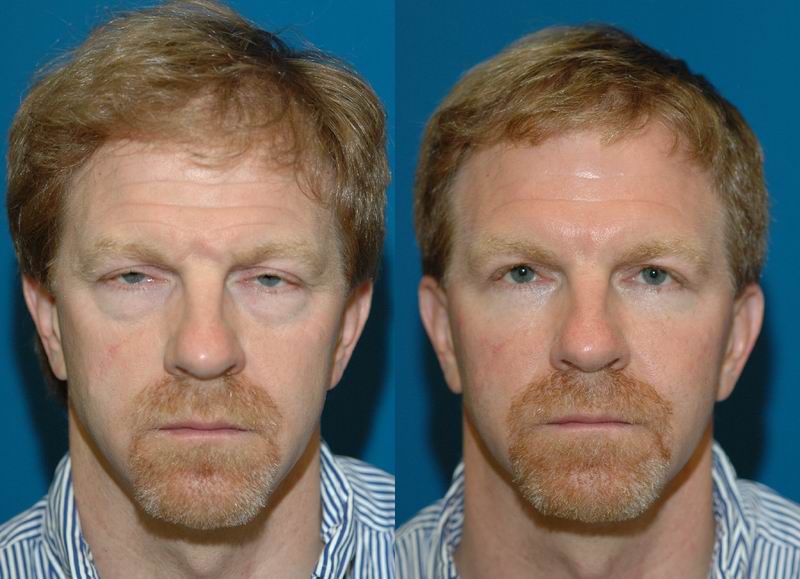
Facial fat grafting and lower eyelid surgery (blepharoplasty) with ptosis repair by Seattle plastic surgeon Sam Naficy, MD. * Individual results may vary.
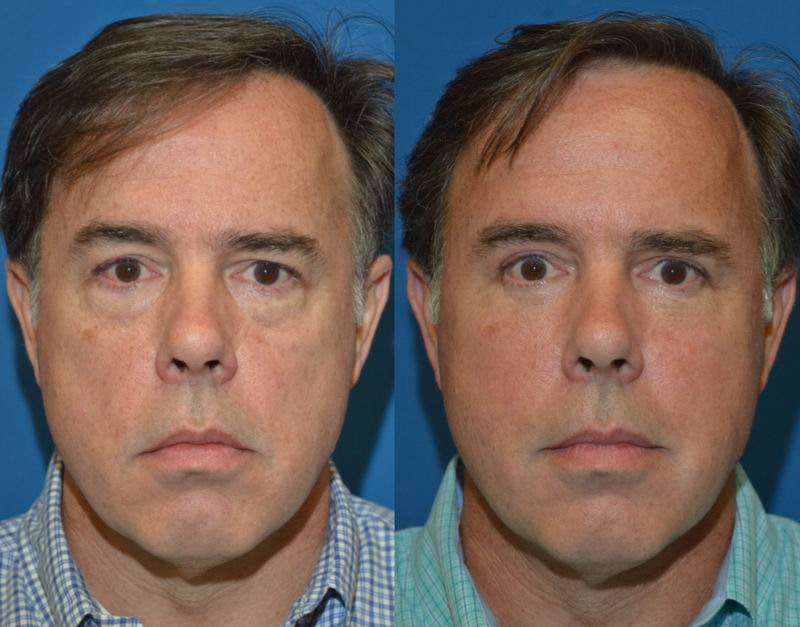
Facial fat grafting and upper and lower eyelid surgery (blepharoplasty) by Seattle plastic surgeon Sam Naficy, MD. * Individual results may vary.
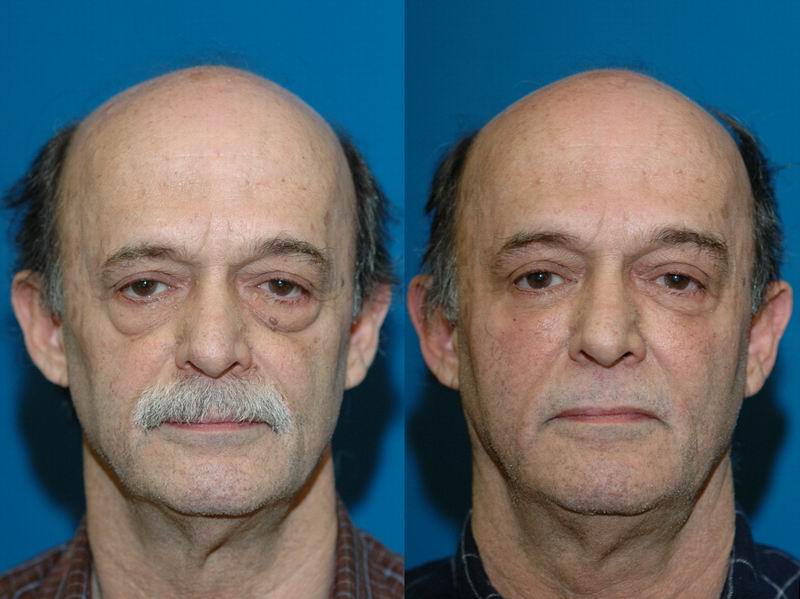
Facial fat grafting and upper and lower eyelid surgery (blepharoplasty) by Seattle plastic surgeon Sam Naficy, MD. * Individual results may vary.
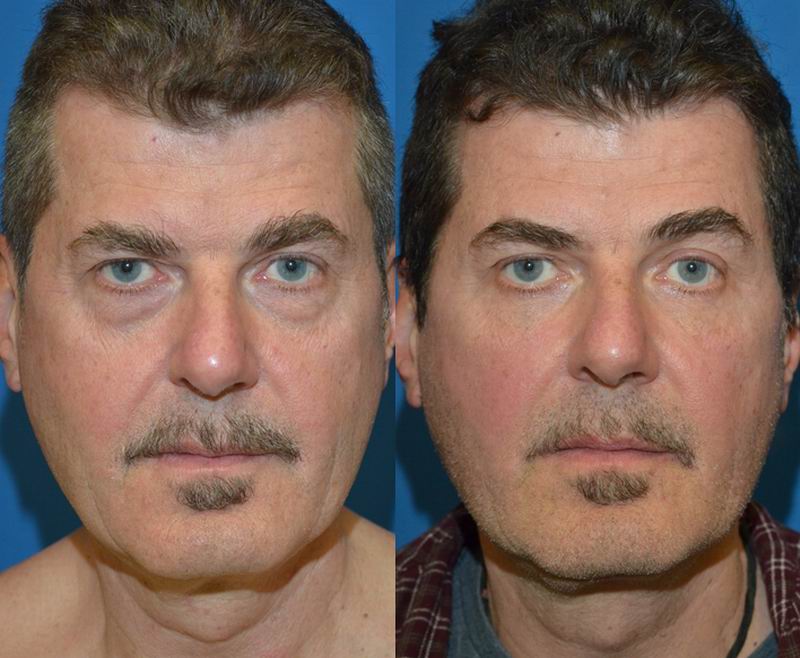
Facial fat grafting and upper and lower eyelid surgery (blepharoplasty) by Seattle plastic surgeon Sam Naficy, MD. * Individual results may vary.
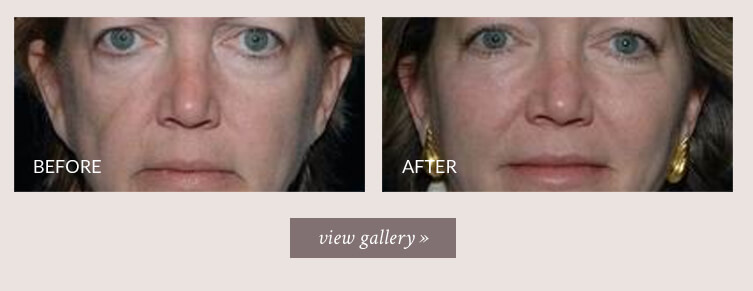
* Individual results may vary.
Frequently asked questions about facial fat grafting
Is fat grafting permanent?
The portion that survives is permanent. Roughly 40 to 50 percent of the grafted fat establishes a blood supply and remains indefinitely; the rest is resorbed within the first three months. What is present at three to six months is what you keep.
How long does fat grafting last?
Indefinitely, for the fat that survives. Grafted fat ages with the rest of the face and responds to weight change, but it does not dissolve the way a filler does.
Does fat grafting hurt?
Very little. As a standalone procedure it is low on pain — acetaminophen is usually sufficient. The donor site feels bruised for a few days.
How long is the swelling after facial fat grafting?
Most swelling settles within two to four weeks. The face looks fuller than the intended result during that period, which is expected. Final volume is apparent at three to six months.
Where is the fat taken from?
Usually the abdomen or the outer thigh, through a small incision. The amount removed is small, so this is not a body contouring procedure.
Will I need more than one session?
Most patients are satisfied with the result of a single procedure. Because some resorption is expected, slightly more fat is placed than the target volume to account for it.
What happens if I lose weight after fat grafting?
Grafted fat behaves like the fat it came from, so significant weight loss reduces it. Weight loss after fat grafting is not recommended — it is better to stay stable, or even gain a few pounds after the procedure.
Can fat grafting be done under the eyes?
Yes, and it is one of the most common indications. The lower eyelid and tear trough have thin skin, so placement is deliberately conservative and layered. Restoring the upper cheek rebuilds the support beneath the lower lid — the mechanism examined in our published study of 70 patients.
Is fat grafting better than filler?
They serve different purposes. Filler is quicker, requires no operating room, and is reversible, but it must be repeated. Fat grafting places larger volumes in a single session, uses your own tissue, and lasts indefinitely where it survives. Patients needing volume in several regions generally do better with fat.
Can fat grafting be combined with a facelift?
Yes, and the two are frequently performed together. A lift repositions descended tissue; fat replaces what has been lost. Combining them addresses both components of facial ageing.
What are the lumps I can feel after fat grafting?
Firmness beneath the skin — induration — occurred in 7% of patients in our published series, and all cases were minor. It resolves with massage. Rarely, a steroid injection is needed.
How much does facial fat grafting cost in Seattle?
At our practice, $6,500 to $15,000 depending on how many regions are treated and whether it is done alone or with other procedures, with operating room and anesthesia fees additional for a standalone procedure. Financing is available through PatientFi.
Does insurance cover fat grafting?
Not when performed for cosmetic reasons.
Can men have facial fat grafting?
Yes. Placement differs — volume is directed to the temples and jawline rather than high on the cheek, to avoid feminising the face.
What does “board certified” actually mean in facial plastic surgery?
Board certification tells you what a surgeon was trained and examined in. On its own, the phrase “board certified” does not say in which field. Certification exists across many specialties, and a certificate in another specialty is a genuine credential in that specialty. It is simply not the same thing as certification in facial plastic surgery. So the useful follow-up question is always: certified by which board, and in what?
For facial plastic surgery there are two boards to look for, and both publish free public tools that let you verify a surgeon yourself in under a minute.
| Board | What it certifies | Verify a surgeon |
|---|---|---|
| American Board of Facial Plastic and Reconstructive Surgery (ABFPRS) | Facial plastic and reconstructive surgery specifically. Certification requires that the surgeon already hold certification from an American Board of Medical Specialties board in either otolaryngology–head and neck surgery or plastic surgery, pass a two-day examination, and submit for peer review operative reports from a minimum of 100 facial plastic surgery procedures. | ABFPRS Physician Finder |
| American Board of Plastic Surgery (ABPS) | Plastic surgery of the entire body, including the face. ABPS is a member board of the American Board of Medical Specialties. | ABPS Verify Certification |
Why the ABFPRS requirement matters
The detail worth understanding is that ABFPRS certification cannot be the only board a surgeon holds. It is granted on top of an existing ABMS certification in one of the two surgical specialties whose residency training covers facial plastic surgery. An ABFPRS diplomate is double boarded by definition. Those two qualifying pathways — otolaryngology–head and neck surgery, and plastic surgery — are both represented at this practice, and both of our facial surgeons hold certification from two boards rather than one. The 100-case peer review is also specific: the operative reports submitted must be facial plastic surgery, not surgery generally.
What to ask, and how to check
- Which board certified you, and in what specialty? Not simply “are you board certified.”
- Is that board a member of the American Board of Medical Specialties? Boards exist with similar-sounding names that are not ABMS member boards.
- Where do you hold hospital operating privileges, and for this procedure? Hospital privileges are granted by peer review against training.
- How many of these do you perform each year? Certification is a floor, not a measure of current volume.
- Verify it yourself. Both boards above let you search by surgeon name. The ABFPRS states that its website is a primary source of verification.
The surgeons at this practice, and how to verify them
| Surgeon | Board certification | Residency pathway |
|---|---|---|
| Sam Naficy, MD, FACS | American Board of Facial Plastic and Reconstructive Surgery American Board of Otolaryngology – Head and Neck Surgery |
Otolaryngology – head and neck surgery, followed by facial plastic surgery fellowship at the University of Michigan |
| Keith Hurvitz, MD, FACS | American Board of Plastic Surgery American Board of Otolaryngology – Head and Neck Surgery |
Otolaryngology – head and neck surgery residency at USC, followed by a general plastic surgery residency at UC Irvine |
Each of these certifications can be confirmed through the verification links above, or with the certifying boards directly. We would encourage you to check ours, and to check the credentials of any other surgeon you consult.
Next steps
A consultation determines whether volume loss, tissue descent, or skin quality is the dominant issue in your face — frequently it is more than one, and the plan follows from that assessment.
Naficy Plastic Surgery & Rejuvenation Center is located in Bellevue, Washington, and serves patients from Seattle, the Eastside, and throughout the Pacific Northwest.
Request a consultation · Ask a question · Before & after gallery · Fat injection instructions [PDF]
Medically reviewed by Sam Naficy, MD, FACS, board-certified by the American Board of Facial Plastic and Reconstructive Surgery.